 Cranbook

Cranbrook, BC (October 7, 2026) – On Monday night, the current Mayor and Council held their final regular meeting of their four-year term ahead of the municipal election, which is coming up on October 17, 2026.
Mayor Price, during his closing remarks, noted that when this Council first came together four years ago, they sat down as a group to determine who they wanted to be as elected officials. The group wanted to be a Council of action, a Council of decision, a Council that was ethical and a Council that the community could trust.
Guided by Council’s 2024–2027 Strategic Plan, Cranbrook has made steady progress over this Council term, with important work moving forward on the services and infrastructure residents rely on every day. From roads, water and wastewater systems to public safety, housing, environmental planning, and responsible budgeting, these efforts are helping keep the community strong, reliable, and ready for the future.
Major Infrastructure Projects Facilitate Record Development in Cranbrook
Council has moved major infrastructure projects forward during this term.
In March 2026, the City received $9.5 million in federal and provincial funding to help build the Phillips Reservoir UV Disinfection Facility, an important project to support safe, clean drinking water for Cranbrook that is now under construction to provide better water quality to residents in the near future.
In 2026, the City completed a multi-year upgrade to the sewage lagoons removing years of sludge that had filled wastewater cells one and two to the top creating a major stink along with lagoon upgrades funded by a combination of two successful grant applications, capital funding allotments, as well as a newly created desludging reserve. These upgrades to the lagoons and financing will ensure the wastewater system can continue to serve a growing community into the future.
The sewer trunk main under Victoria Avenue had reached capacity, meaning it was operating beyond its maximum size for volume in the pipe, further housing development to the south of Cranbrook would not be able to be built as there was no capacity to allow more users on that sewer pipe. The major sewer mainline upgrades under Victoria Avenue created capacity to directly support around $300 million in development comprising over 300 beds or units, including the new F.W. Green Home, Rotary Creekside Village project, Creekside Townhomes, and several other market and low-income housing projects that are now completed and underway in that part of Cranbrook.
The City received a $5 million Community Emergency Preparedness Fund grant to help pay for the Gold Creek Dam reconstruction project and continued to look for other funding sources and meet with staff and ministers from other levels of government to reduce the local cost to taxpayers. This project is being planned to provide increased high-quality cold water flowing into the Cranbrook water system.
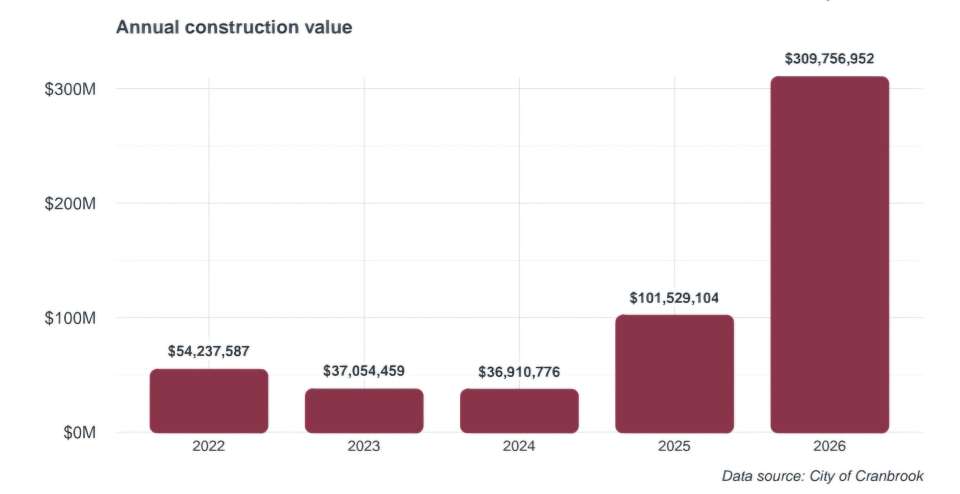
The City typically has about $30-50 million in development each year. The City set a new development value record in 2026, beating the previous record set in 2025 with more than $300 million in building permits issued so far this year and counting. As of September 9, 2026, the City issued 140 building permits worth $309.8 million, which is more than three times the previous record last year of about $100 million.
While 2025 was a strong year for building permit values, 2026 is when that activity has become easy to see. Cranbrook is seeing its strongest wave of new purpose-built rental housing since the 1980s. This means more housing choices for people at different income levels and stages of life. Since 2022, hundreds of market and low income rental units have been built or are moving through construction, approvals, and development. With several major projects now underway, the City expects strong housing numbers to continue through 2027.
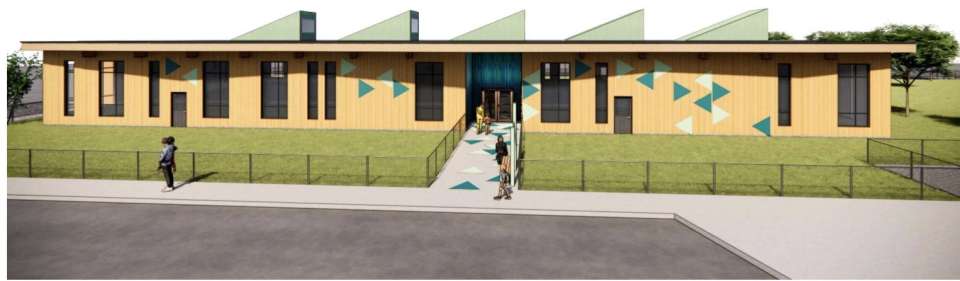
New Childcare Spaces Funded by the Province of BC; 123 Space Childcare Facility
The City is working collaboratively with the Government of BC to address the community’s desperate need for childcare spaces to support young families and working parents with children. The Province awarded the City $13.5 million for the full cost of a new modern childcare facility to create 123 new childcare spaces, following a successful grant application by the City.
ChildCare BC was offering grants to build childcare facilities that would include the full cost of design and construction, pending land was provided by the municipality. The facility is now under construction adjacent to Western Financial Place, with an anticipated opening date in early 2028.
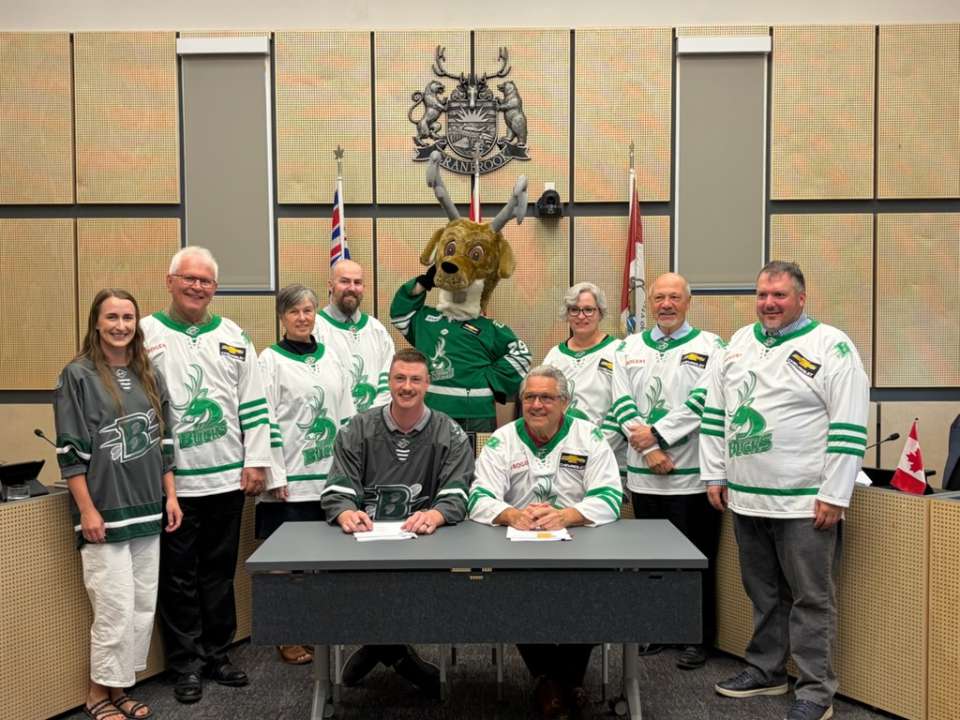
Cranbrook Bucks Hockey Agreement Securing Quality Hockey for Cranbrook
The City and the Cranbrook Bucks Hockey Club signed a new 5-year lease agreement at Western Financial Place (WFP).
The new contract runs from June 1, 2026 to May 30, 2031, with a 5-year renewal option, which includes both lease space within WFP and a food services agreement for the same term also with one 5-year renewal option. The new contract secures the Cranbrook Buck’s future with the City of Cranbrook at WFP, and as a source of premium hockey entertainment for Cranbrook residents for the next decade.
Better Public Access to Capital Project Information
The launch of the Capital Works Projects Story Map marked an important step in making City project information easier for residents to find and understand. Instead of having to search through reports or meeting materials, residents can now see where projects are happening and what stage they are.
Cleanup Cranbrook’s Three Largest Longstanding Mayor Eyesores
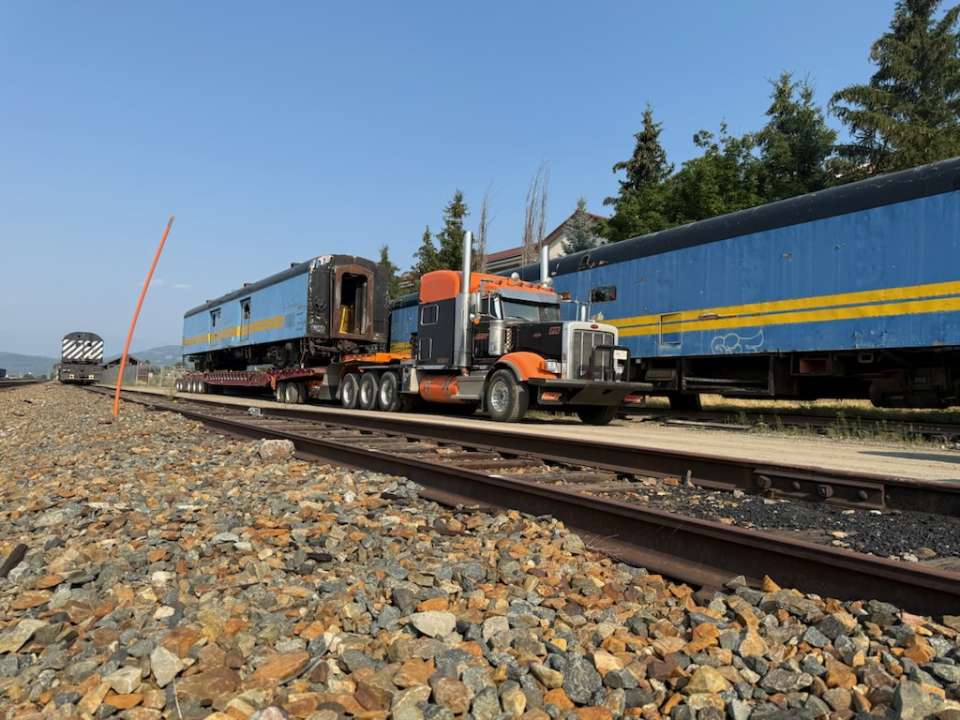
Council and City staff used inspections, cleanup agreements, remediation orders, and legal support to deal with several long-standing eyesore properties. In 2026, seven rundown rail cars were removed from City property behind the Prestige Rocky Mountain Resort after years of safety and nuisance concerns. The owner paid for the removal, improving the area and reducing the need for police and bylaw responses.
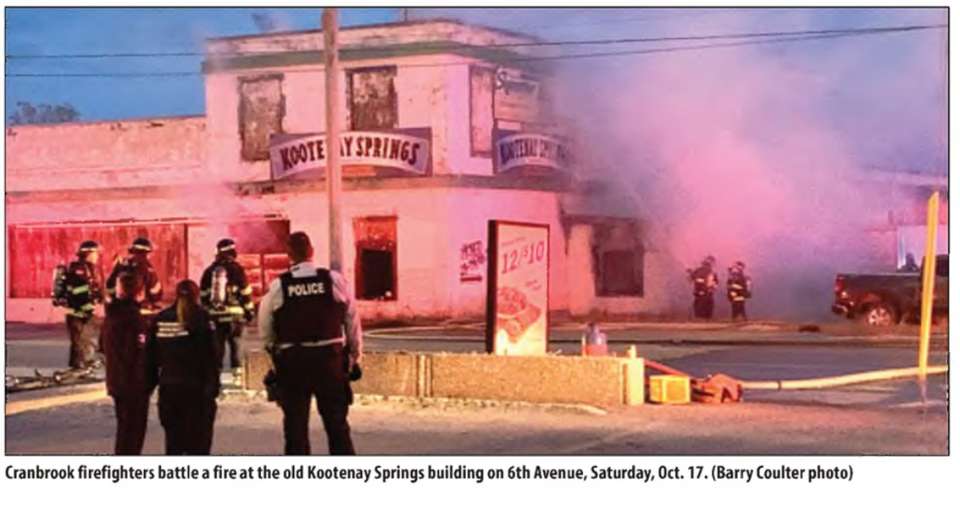
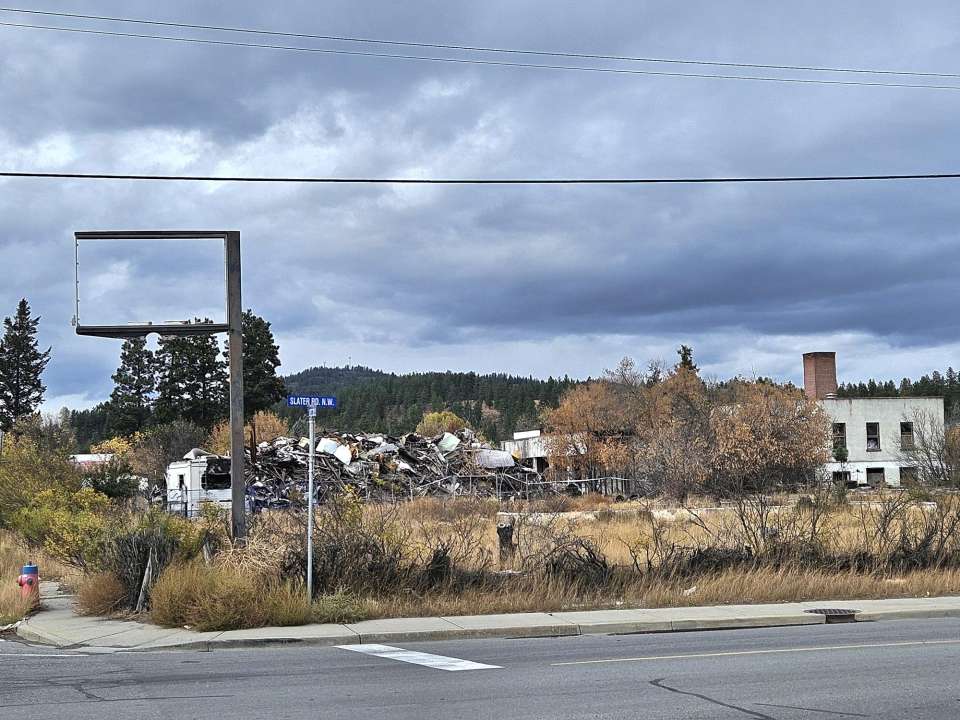
The former Kootenay Springs building on 6th Street NW was another major cleanup project. The long vacant building dated back to 1925, and had been used for several industrial purposes all of which closed years ago. The previous owner was subject to cleanup orders. After buying the property, the new owner demolished the building and began clearing the site for possible future development, improving Cranbrook’s appearance from a very large, long standing eyesore. Thank you to the new owners for taking this on.
The City also worked to clean up the former Tudor House/St. Eugene Hospital site on King Street, known as the Knights Hall property. After a fire, the unsafe building was demolished, and further remediation orders were issued to deal with the remaining debris and hazards to the owner. The property became owned by the City through a tax-sale process. The City immediately put the work into having this massive cleanup project completed. Council approved spending up to $1.29 million for the demolition and surface clean-up of the property, including $500,000 for RDEK landfill tipping fees and hazardous materials management, which was reduced by half with a reduction request by Council to the RDEK. Thanks to a collaboration between City staff and the contractor’s cleanup process, including recycling of over 100 bins of metal and successfully recycled a significant amount of tested clean concrete and bricks that will be crushed and used for roadbed repairs in the City, the final costs of the cleanup project were approximately $830,000. These cleanup costs are expected to be recovered through the future sale or lease of the property, which has an appraised post-cleanup value between $1.27 million and $1.43 million for 3 acres of fully serviced flat land near downtown.
Responding to Growth and Community Housing Needs
Through a combination of infrastructure investments, land use and development approvals, and proactive policy updates, Council has spearheaded many planning and infrastructure decisions to support community growth. Examples include servicing work for Shadow Mountain and Victoria Avenue, updates to Official Community Plan, Zoning and DCC Bylaws, Revitalization Tax Exemption Bylaws, development partnerships with Rotary and Habitat for Humanity, and the grant funded City Childcare Project.
Reducing Visible Homelessness and Increasing Public Safety
Council works with the Cranbrook RCMP detachment and Cranbrook Fire & Emergency Services, helping to keep community safety front and centre. The 2026 citizen survey also helped identify public safety, crime, homelessness, and policing priorities from residents’ point of view.
Public safety has also been reflected in budget direction, including added support for policing, fire services, and road improvements. Alongside day-to-day emergency response, the City has promoted wildfire preparedness, heat safety, and other prevention-focused messages that help residents protect themselves and their homes.
The area behind McDonald’s and Dairy Queen had a highly visible homeless encampment along with human conflicts with the customers in the drive throughs, impacting the travelling public’s experience in the center of Cranbrook as well as the residents, and businesses in that area. The tent encampment pictured below at its peak had over 20 tents, fire pits, and debris all along that area behind the businesses along the strip a few years ago. Through significant effort, the camp no longer exists and the area is continuing to be monitored to not have this reoccur.
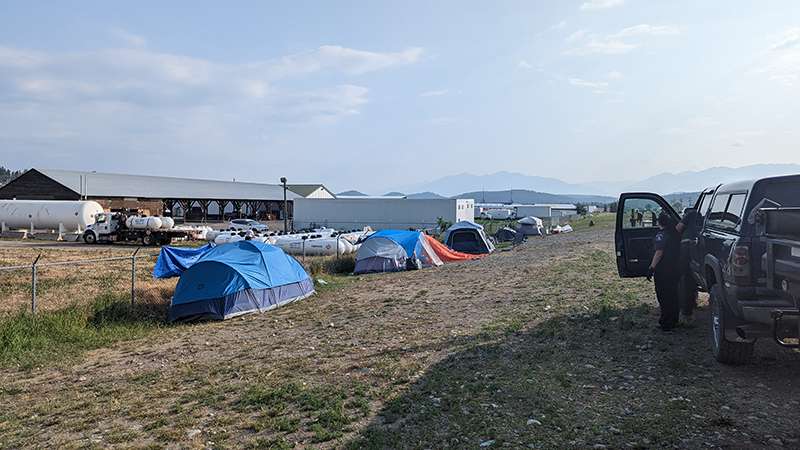
Cranbrook’s approach to public safety has become more coordinated and proactive over the past few years. The City, RCMP, BC Housing, local non-profits, Indigenous partners, health agencies, and other service providers are working more closely together to respond to community concerns while supporting vulnerable residents resulted in cleaning up this area and reducing overall visibility of homelessness in Cranbrook. This issue still exists, and continues to need more work, however, progress has been made!
The City has also focused on collaboration and public engagement. Regular meetings between Fire, RCMP, Bylaw, social agencies, and the business community have created better communication and quicker problem-solving. The Mayor’s Task Force on Homelessness, Community Safety and Wellbeing brought many partners together, while public surveys, town halls, advocacy to the Province, and programs like Crime Prevention Through Environmental Design have helped connect decision-making with the concerns residents and businesses are raising.
While these social challenges remain complex, Cranbrook has made progress in how it responds to them. Highly visible and problematic encampments have been reduced in busy areas, partnerships are stronger, and recent grant funding will support new outreach and harm-reduction services. Overall, Cranbrook is moving toward a public safety model that balances compassion with accountability and takes a practical, community-based approach.
Emergency Management
Emergency management has also become a more formal local government responsibility under the Emergency and Disaster Management Act. This has added new planning, coordination, training, and reporting requirements for municipalities, without dedicated provincial funding to fully support implementation. In response, Council has taken a practical approach by using grants, partnerships, regional coordination, and existing resources to strengthen Cranbrook’s emergency preparedness.
Listening to Residents Through Citizen Surveys
The City’s citizen survey for the City’s budget was started as an annual resident engagement exercise during this Council term; the survey results in both statistically valid and open to anyone for input survey formats has given Council a clearer sense of what residents’ value and where they want to see improvement. Survey results have helped inform budget discussions, service priorities, and local policing priorities.
Residents reported high satisfaction with services like fire protection, parks and trails, playgrounds, street lighting, garbage and recycling collection, and the airport, while also pointing to challenges such as road maintenance, snow clearing, development services, bylaw enforcement, and economic development. This feedback gives Council a practical way to balance service expectations with budget realities.
Asset Management
Council has supported a practical, long-term approach to managing Cranbrook’s infrastructure through the City’s Asset Management Strategy. Endorsed in 2024, the strategy gives the City a corporate framework for managing municipal assets and connecting asset management with planning, budgeting, and decision-making across the organization.
A key milestone during this period was the advancement of facility condition assessments for City-owned buildings and assets. This work gives the City better information about infrastructure conditions, lifecycle needs, risks, and future investment requirements, helping support more informed capital planning and renewal decisions.
Cemetery Master Plan
The Cemetery needed a plan for the future and a refresh. Council moved forward with the creation of the Westlawn Cemetery Master Plan. The plan sets out a 40-year vision for the sustainable management, expansion, and improvement of Cranbrook’s cemetery services, helping ensure future burial and cremation capacity while improving accessibility, site function, and customer experience.
“A Council Of Action.” These efforts are building a stronger Cranbrook for everyone, and helping to set up the next Council for success.


 Let us know what you think about our new site!
